Interlocking Pavers vs. Poured Concrete for Commercial Properties
People searching for interlocking pavers installation are often looking to enhance durability and appearance, and local contractors can expertly handle the installation to meet their needs.
Choosing between interlocking pavers and poured concrete for commercial properties is a decision that many property owners in the area consider carefully. Both options offer distinct advantages and potential drawbacks, depending on factors like durability, maintenance, and visual appeal. Property owners exploring these choices often look for practical solutions that balance cost, longevity, and aesthetic impact, making it helpful to connect with local contractors experienced in both materials. These professionals can provide insights tailored to specific property needs, ensuring the selected surface enhances functionality while fitting the overall design plans.
Understanding the differences between interlocking pavers vs. poured concrete for commercial properties can help owners make informed decisions that align with their operational goals. Local service providers specializing in interlocking pavers installation are well-equipped to assist in evaluating the benefits of each material, including ease of repair, customization options, and overall performance. Keeping this information in mind can lead property owners to the most suitable choice for their property, with the support of experienced local contractors who can bring the installation to life with quality craftsmanship.
- Interlocking Pavers Installation - property owners considering durability and aesthetic appeal for commercial walkways often turn to local service providers experienced in paver installation. Poured Concrete Installation - businesses seeking a seamless, low-maintenance surface for parking lots or driveways may find local contractors specializing in poured concrete work. Interlocking Pavers Installation - those needing flexible design options and easy repair solutions typically work with local pros skilled in paver layout and installation. Poured Concrete Installation - clients wanting a quick, uniform surface for large-scale commercial areas often choose local concrete specialists for efficient pouring and finishing. Interlocking Pavers Installation - commercial property managers interested in slip-resistant surfaces and long-term durability often contact local providers experienced in paver systems.
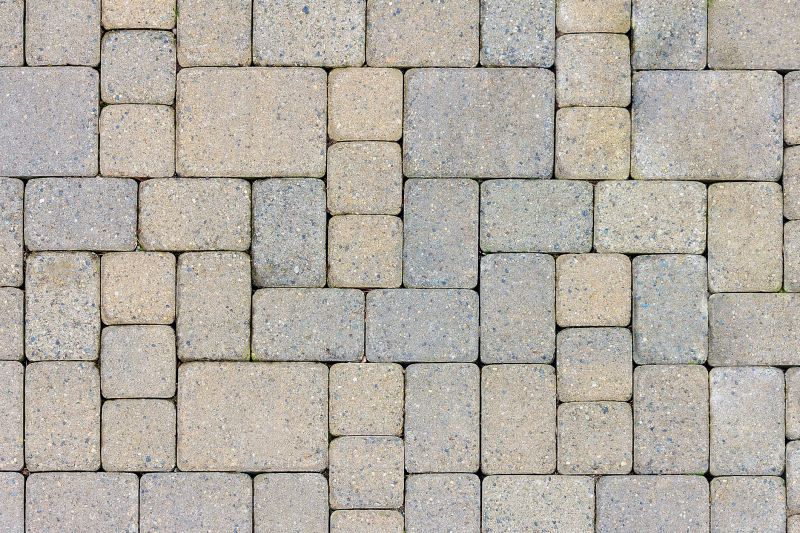
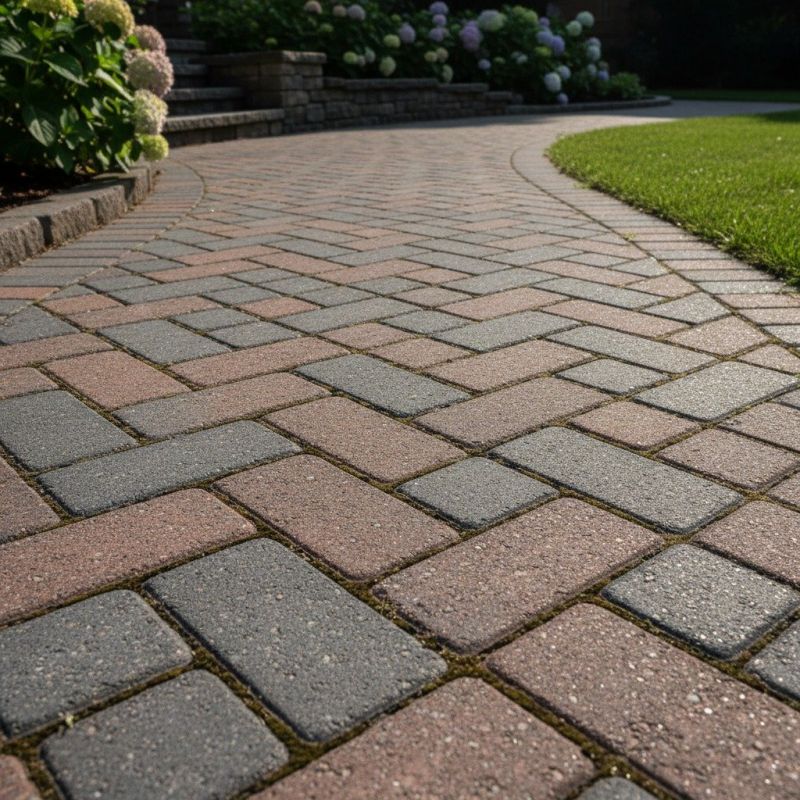
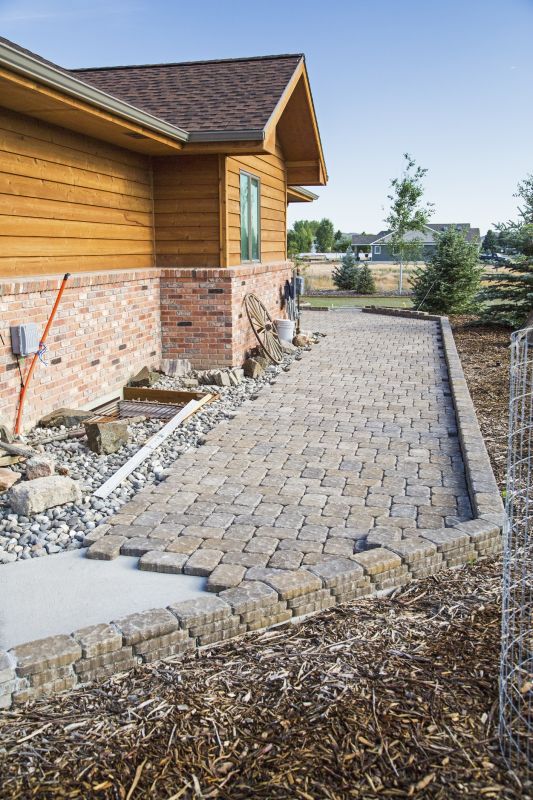
When searching for information on interlocking pavers vs. poured concrete for commercial properties, most people are looking to understand the differences between these two popular paving options. This comparison often arises when planning parking lots, walkways, plazas, or other outdoor surfaces that need to handle regular foot and vehicle traffic. Property owners and managers want to know which material offers better durability, aesthetic appeal, and long-term value for their specific project. The decision can significantly impact the appearance and functionality of a commercial space, making it essential to explore the advantages and limitations of each option.
These topics are closely linked to common problems or plans involving surface upgrades, expansions, or replacements for existing paved areas. For example, a business might need to improve curb appeal or create a more accessible outdoor environment. Others may be concerned about the longevity of their current pavement or want to minimize ongoing maintenance costs. Commercial properties such as retail centers, office complexes, healthcare facilities, and industrial sites often come up in these discussions, as they require durable, attractive surfaces that can withstand heavy use and changing weather conditions. Understanding the specific benefits of interlocking pavers versus poured concrete helps property owners make informed decisions aligned with their operational needs.
The types of properties that typically involve this comparison include retail shopping centers, office parks, government buildings, and multi-family residential complexes. These commercial properties often demand surfaces that combine aesthetic flexibility with resilience. For instance, interlocking pavers are favored for their visual versatility and ease of repair, making them suitable for areas where design options matter. Poured concrete, on the other hand, is known for its smooth finish and structural strength, which can be ideal for large, open areas like drive aisles or loading zones. Local contractors specializing in paving installation can assist property owners in evaluating which material best suits their property’s layout, traffic volume, and aesthetic goals.
Connecting this topic to real projects, property owners should consider how each material aligns with their long-term plans. For example, interlocking pavers can be a practical choice for properties expecting future modifications or expansions, as individual units can be replaced without disrupting the entire surface. Poured concrete might be preferable for areas where a seamless, continuous surface is desired, especially in spaces with high vehicle traffic. Local pros who install interlocking pavers and poured concrete can provide valuable insights into the best options based on the property’s size, use, and design preferences. Their expertise helps ensure that the chosen paving method supports the property's operational needs while enhancing its overall appearance.
Parking lot paving projects - local contractors experienced in interlocking pavers and poured concrete can help design durable and attractive surfaces for commercial parking areas.
Sidewalk and walkway installation - professionals skilled in paver and concrete work ensure safe, accessible pathways that complement commercial property aesthetics.
Outdoor plaza and hardscape design - service providers with expertise in both materials can create functional and visually appealing public spaces for commercial sites.
Driveway construction and repair - local experts can install or restore commercial driveways using interlocking pavers or poured concrete, considering durability and design preferences.
Landscape edging and border installation - specialists can implement paver or concrete borders that define spaces and enhance property curb appeal.
Patio and outdoor seating area projects - experienced contractors can craft inviting outdoor spaces with interlocking pavers or poured concrete, tailored to commercial needs.
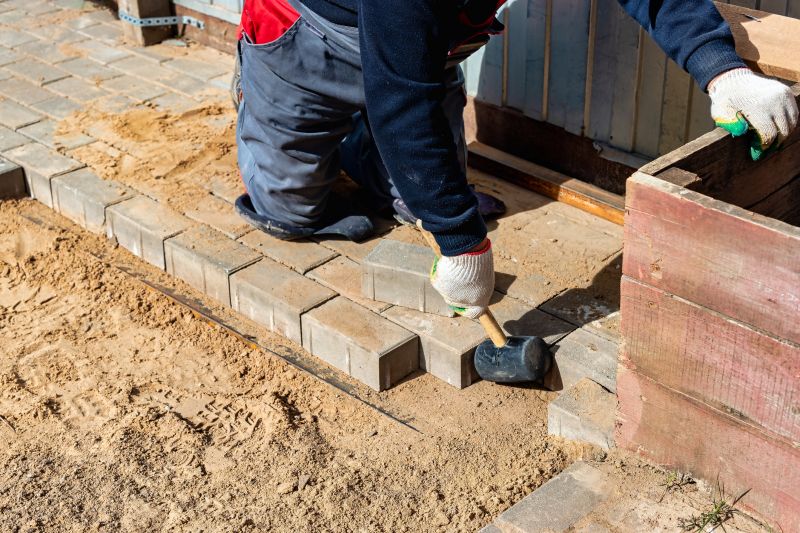
When comparing service providers for interlocking pavers installation versus poured concrete for commercial properties, it is important to consider their experience with similar projects. Homeowners should seek out local contractors who have a proven track record of handling projects comparable in scope and design. An experienced service provider will be familiar with the specific challenges and best practices associated with each material, ensuring that the installation meets the desired durability and aesthetic standards. Evaluating a contractor’s portfolio or requesting references from previous clients can provide insight into their expertise and the quality of their work on projects similar to the one at hand.
Clear, written expectations are essential when selecting a contractor for interlocking pavers or poured concrete work. Homeowners should look for service providers who can clearly outline the scope of work, material choices, and installation processes in a detailed proposal or contract. This helps prevent misunderstandings and ensures that both parties are aligned on project deliverables. Good communication from the start can also serve as an indicator of a contractor’s professionalism and their ability to address questions or concerns throughout the project, leading to a smoother experience overall.
Reputable references and strong communication are key factors in choosing the right local contractor for commercial property enhancements. Homeowners are encouraged to ask for references from past clients who can speak to the contractor’s reliability, quality, and adherence to timelines. Additionally, a service provider who maintains open and transparent communication can help clarify project expectations, provide updates, and respond promptly to any issues that arise. These qualities contribute to a more confident decision-making process and increase the likelihood of a successful interlocking pavers or poured concrete installation tailored to the specific needs of a commercial property.
Property owners often search for interlocking pavers vs. poured concrete for commercial properties when they are planning practical projects around their homes and businesses. Local pros provide Interlocking Pavers Installation services for everyday jobs and straightforward project options.
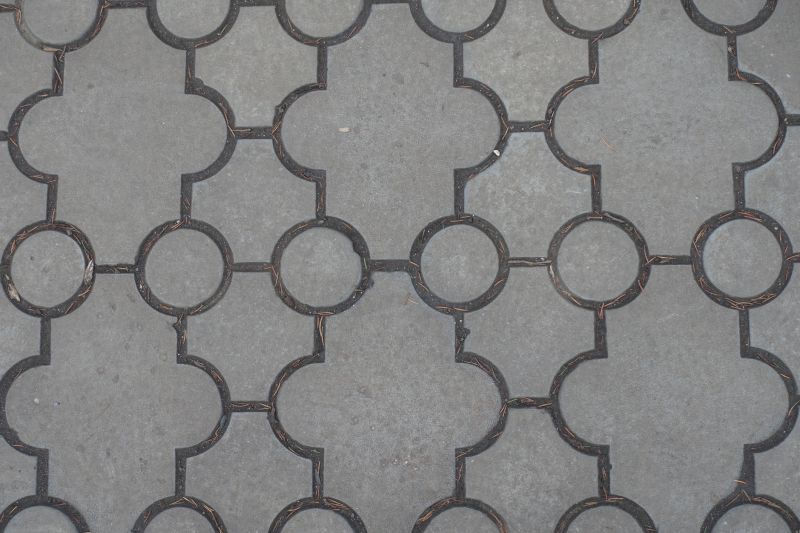
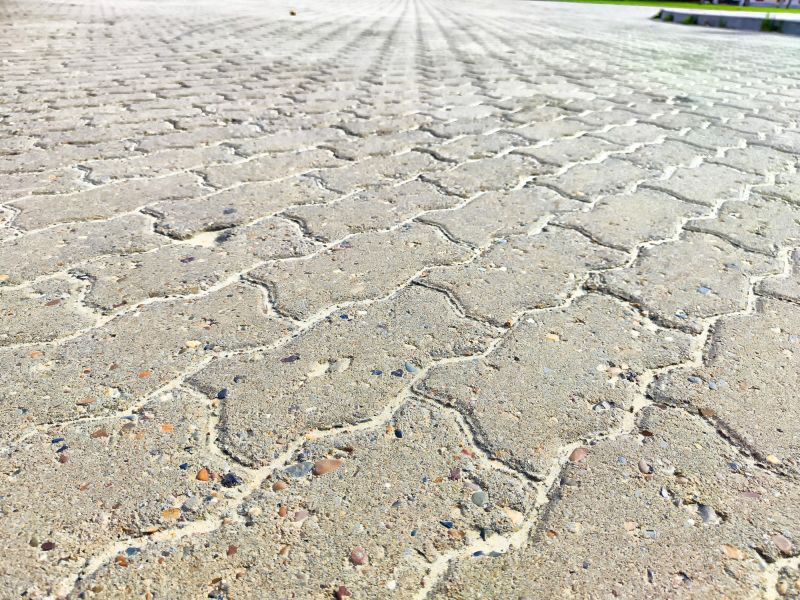
When considering surface options for commercial properties, property owners often compare interlocking pavers versus poured concrete to determine which best suits their needs. Interlocking pavers are popular for their versatility and aesthetic appeal, making them a common choice for walkways, patios, and parking areas. Local contractors who specialize in interlocking pavers installation can help property owners evaluate how these pavers perform in high-traffic areas, provide guidance on design options, and ensure proper installation to maximize durability. Poured concrete, on the other hand, offers a smooth and seamless surface that can be poured quickly and is often favored for its uniform appearance and ease of maintenance. Local service providers experienced in concrete work can assist with assessing whether poured concrete is suitable for the specific demands of a commercial space, especially when considering factors like load-bearing capacity and long-term resilience.
For property owners exploring options, understanding the practical differences between interlocking pavers and poured concrete can influence the decision-making process. Interlocking pavers tend to be more adaptable to ground shifts and can be easier to repair if damage occurs, which is a consideration for busy commercial sites. Poured concrete provides a continuous surface that may be preferable for certain applications requiring a sleek finish or large open areas. Local contractors skilled in both installation methods can offer insights into how each material performs under local conditions and help determine which option aligns best with the property’s usage and aesthetic goals. Connecting with experienced service providers can ensure that the chosen surface is installed correctly, supporting the property's functionality and appearance over time.
How does durability compare between interlocking pavers and poured concrete for commercial properties? Interlocking pavers typically offer high durability and can withstand heavy foot and vehicle traffic, with the ability to be replaced individually if damaged. Poured concrete is also durable but may crack over time due to settling or temperature changes, requiring repairs or resurfacing. Local contractors can assess site conditions to recommend the most resilient option for specific commercial needs.
Are interlocking pavers easier to maintain than poured concrete for commercial applications? Yes, interlocking pavers are generally easier to maintain because individual units can be replaced if damaged, and they resist weed growth and staining better than poured concrete. Poured concrete may require sealing and crack repairs over time to maintain its appearance and integrity. Local service providers can advise on maintenance practices suited to each material.
Can interlocking pavers be installed on uneven surfaces compared to poured concrete? Interlocking pavers are more adaptable to uneven surfaces since they can be installed over a prepared base that accommodates slight grade changes. Poured concrete requires a level, well-prepared surface for proper installation, making it less flexible for uneven terrain. Local contractors can evaluate site conditions to determine the best approach.
What are the aesthetic differences between interlocking pavers and poured concrete for commercial properties? Interlocking pavers offer a variety of colors, shapes, and patterns, allowing for customized designs that enhance visual appeal. Poured concrete can be finished with different textures and stains but generally offers a more uniform look. Local pros can help select the style that complements the property's design.
Which material offers better slip resistance for commercial property walkways and parking areas? Interlocking pavers typically provide better slip resistance due to their textured surface and joint gaps, which can improve traction. Poured concrete can be finished with slip-resistant coatings or textures, but may be more prone to becoming slick when wet. Local installation experts can recommend the best options for safety and performance.
Durability considerations - Property owners can evaluate how interlocking pavers versus poured concrete hold up under heavy foot and vehicle traffic with assistance from local contractors.
Design flexibility - Choosing between the two options allows for customization in patterns and colors, which local pros can help incorporate into the project.
Installation impact - Understanding how each material affects project timelines and site disruption helps property owners plan effectively with local installation services.
Maintenance needs - Comparing upkeep requirements of interlocking pavers versus poured concrete enables property owners to select the best option for long-term appearance and function, with guidance from local experts.
If you are thinking about interlocking pavers vs. poured concrete for commercial properties for a property, this guide is meant to help you understand this topic, the typical project types, and how different options might fit your plans.
When you are ready, you can use the quote form on this page to share a few details about your project. From there, local pros can review the basics and follow up with options that match what you have in mind.